
Skip to content
Slow Travel

What Slow Travel Looks Like in South India

Slow travel in South India is about staying present: making room for local food, changing weather, unplanned conversations, and the everyday details that give a place its character.

By The Slow Chai
· 4 min read
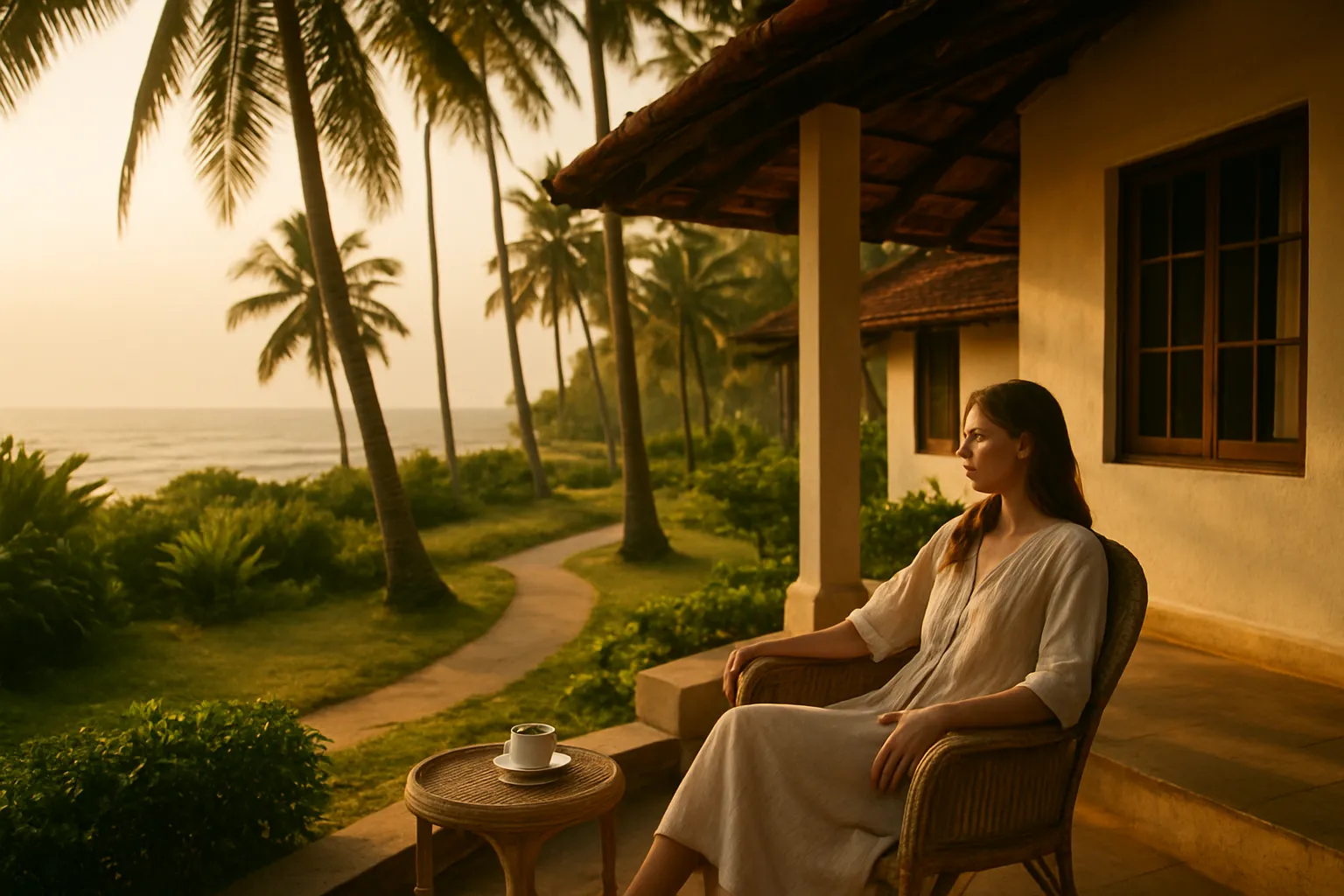
Photo illustrating: What Slow Travel Looks Like in South India

Slow travel is not simply a longer version of an ordinary trip. It is a way of moving through South India with enough patience to notice how a place changes from morning to evening, how food connects people, and how the most memorable moments often happen between planned stops.

This guide is for travelers who want a more attentive, human approach to exploring the region. You will find practical ways to plan a slower journey while leaving room for markets, local transport, shared meals, and the small encounters that rarely appear on an itinerary.

Key takeaways

  • Choose fewer destinations and stay long enough to develop a sense of place.
  • Use meals, markets, and everyday neighborhoods as ways to understand a region.
  • Leave time for walking, local transport, weather changes, and unplanned conversations.
  • Travel respectfully by asking before photographing and observing local customs.
  • Treat flexibility and attention as essential parts of the itinerary.

Begin with fewer stops

A slower trip usually starts with a simpler itinerary. Instead of trying to cover several destinations in quick succession, choose one town, neighborhood, or smaller region as your base. Staying longer gives you time to return to a favorite breakfast place, recognize familiar streets, and notice details you would miss on a first hurried visit.

Build your days around one or two anchors, such as a meal, a market walk, or a museum visit. Leave the rest open. That space makes it easier to follow a recommendation, wait out the heat, or change plans when the weather shifts.

Let food shape the journey

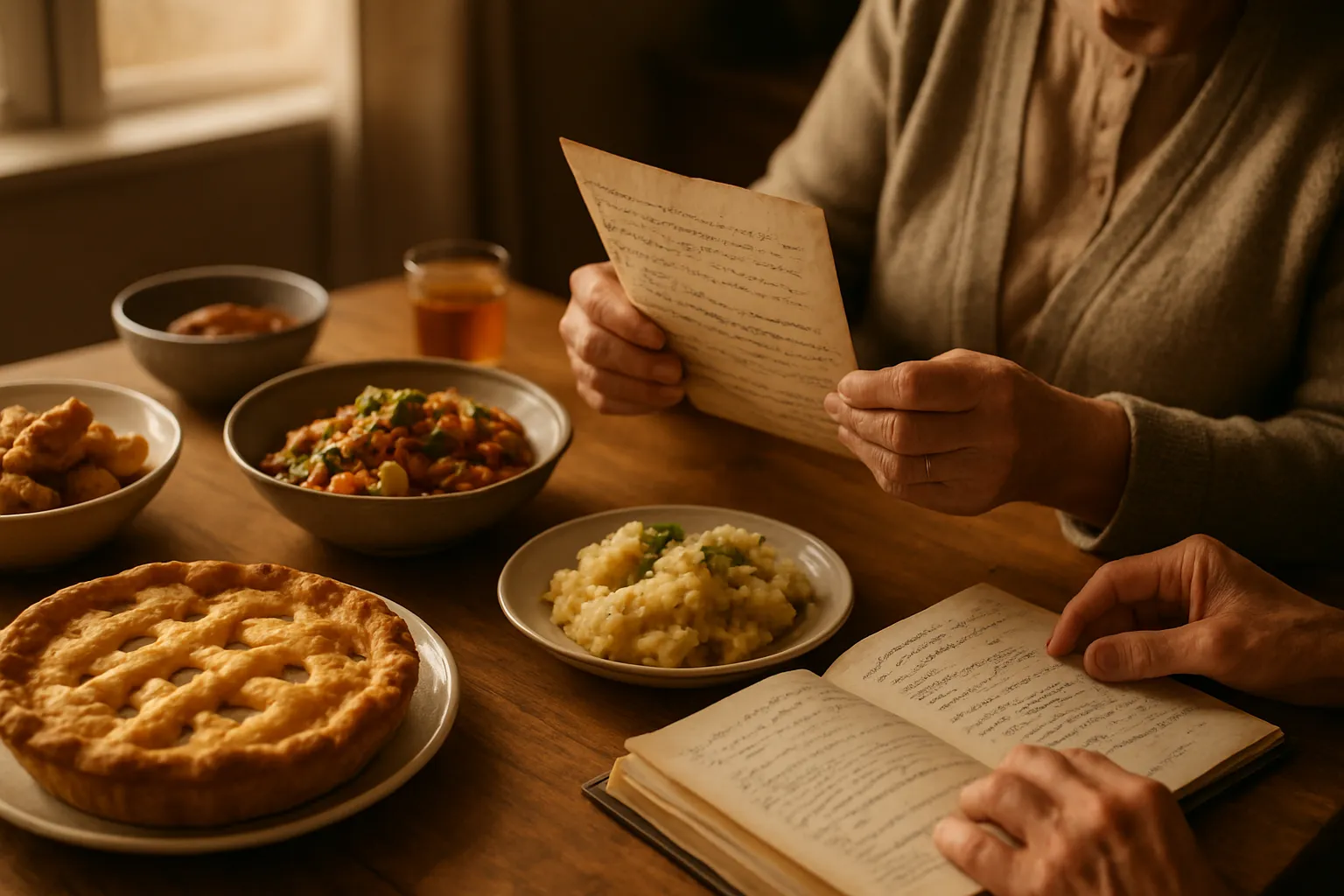
Food is one of the most direct ways to understand a place. Look beyond famous dishes and make time for ordinary meals: breakfast at a busy local eatery, a seasonal preparation at a market, or tea shared during a long journey. Ask what is being served and why it belongs to that season, household, or occasion.

Approach food with curiosity rather than a checklist. Regional cooking varies from kitchen to kitchen, and a dish may change with local ingredients, family habits, or the time of year. Those differences are part of the experience, not something to correct.

Choose movement that leaves room for noticing

Trains, buses, walking routes, and short rides can make travel feel more connected to the landscape. They are not always the fastest options, but they can reveal the transitions between towns: changing vegetation, roadside shops, working neighborhoods, and the rhythm of daily life.

Use local transport thoughtfully. Check routes in advance when needed, allow extra time, and keep your plans flexible. Walking is equally valuable, especially early or later in the day when streets feel different from the way they do at midday.

Spend time in the everyday places

A market, bookshop, tea stall, temple street, or public square may tell you more about a town than a packed list of attractions. Visit without demanding that every stop become a highlight. Notice who uses the space, what is sold, how people move through it, and how the atmosphere changes over the course of the day.

Be a considerate visitor. Ask before taking photographs of people, follow local customs at religious and cultural sites, and avoid treating private or working spaces as scenery. Slow travel depends on attention, but it also depends on respect.

Leave space for weather and conversation

South India's weather can shape a day as much as any planned activity. Heat, rain, and seasonal changes may invite you to pause, start early, or choose an indoor plan. Treat those adjustments as part of the journey rather than as failures of planning.

Conversations can also redirect a trip. A shopkeeper, cook, driver, bookseller, or fellow passenger may point you toward a place you would not have found in a standard guide. Listen without turning every interaction into a story or asking people to perform local knowledge for you.

Frequently asked questions

How many places should I include in a slow-travel itinerary?

There is no fixed number. A useful starting point is to choose one main base and add only destinations you can visit without spending most of the trip in transit.

Is slow travel only practical for long holidays?

No. Even a short trip can feel slower if you choose one neighborhood or town, plan fewer activities, and protect time for an unhurried meal or walk.

What is a good way to experience local food respectfully?

Start with curiosity, ask questions when appropriate, and follow the lead of the people serving or sharing the food. Be open to regional and household variations rather than looking for one definitive version.

Should I avoid planning completely?

Not at all. Book essential transport and accommodation, note practical details, and then leave open space around them so the day can respond to weather, energy, and local suggestions.

How can I be a more responsible slow traveler?

Support local businesses, carry patience into crowded or working spaces, ask before taking photographs, follow site-specific customs, and remember that residents are not part of a tourist display.

Read More, Travel Slowly

Subscribe to The Slow Chai for thoughtful South Indian food writing, town guides, recipes, and stories that make room for the details between destinations.

The Slow Chai
A weekly newsletter from Bengaluru on South Indian food, small towns, and slow travel, with essays, recipes, and member audio.
Our services →
Share this article WhatsApp LinkedIn
← All posts