

Skip to content
Reading Notes

How to Read a Town Guide Slowly

A practical guide to using a town guide as more than a checklist. Learn how to plan lightly, notice local rhythms, and leave room for the details that make a place memorable.

By The Slow Chai
· 4 min read
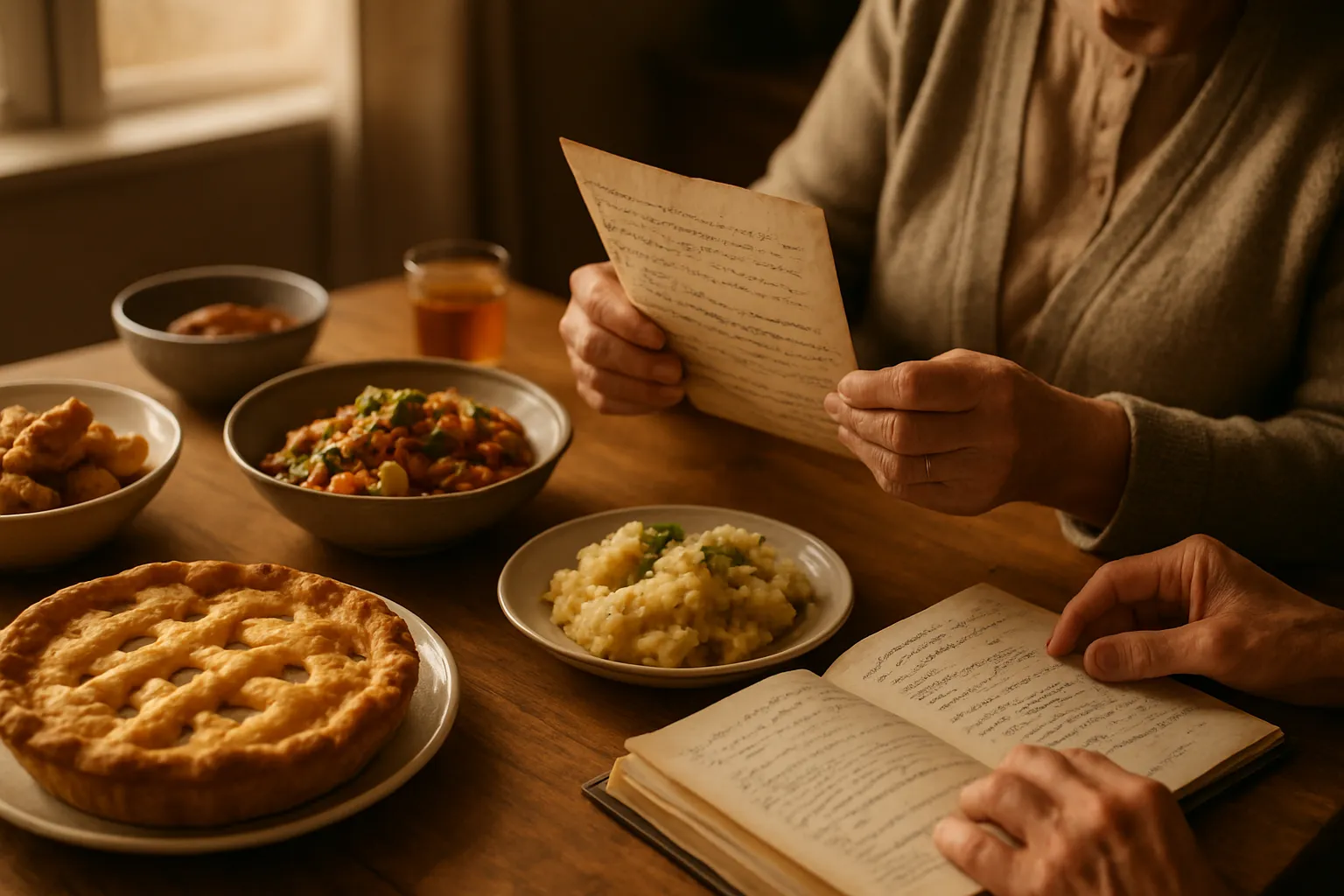
Photo illustrating: How to Read a Town Guide Slowly

A good town guide should not rush you from one landmark to the next. It should help you notice how a place feels at different hours, what locals eat, and where the quiet corners are. When I write one, I think about the reader who wants to spend time, not simply cover ground.

This article shows you how to read a town guide for both logistics and atmosphere. You will learn how to choose a loose plan, make room for meals and conversations, and use practical details without losing the pleasure of wandering.

Key takeaways

  • Choose one anchor for the day and keep the rest flexible.
  • Use practical details to support your visit, not control every hour.
  • Read for food, weather, local rhythm, and small possibilities.
  • Approach conversations and photographs with patience and respect.
  • Leave space for the unexpected details that make a town memorable.

Read for rhythm, not just recommendations

Begin by looking for clues about the town’s daily rhythm. Note when markets are lively, when a street is likely to quieten, and whether a meal or walk is best approached slowly. These details help you understand how a place unfolds rather than treating it as a series of stops.

Pay attention to the writer’s descriptions of weather, sounds, food, and movement. They may tell you as much about when to visit a place as a list of attractions does.

Build a day around one anchor

Choose one meal, walk, conversation, or place to anchor your day. Then leave the surrounding hours open. An anchor gives you direction without turning the whole visit into a timetable.

For example, you might plan a morning market visit and let the rest of the day develop around breakfast, a slow walk, or a shop you notice nearby. The aim is to create space for discovery, not to complete every suggestion in the guide.

Separate essentials from possibilities

On your first read, mark the practical information you need: how to reach a place, opening details when available, areas to explore, and any useful local context. On your second read, mark the possibilities—the tea stall, side street, bookshop, or seasonal food that might become the day’s best memory.

Keeping these categories separate makes the guide easier to use. Essentials support the visit; possibilities keep it flexible.

Let food guide your attention

Food can be one of the clearest ways to understand a town. Read for the ingredients, meal timings, preparation methods, and occasions connected with a dish, not only for where to eat.

A recommendation becomes more useful when you know what to look for: a breakfast tradition, a market snack, or a home-style dish associated with a particular season. The context helps you notice what is distinctive without expecting every meal to match a fixed idea of authenticity.

Leave room for respectful encounters

The most memorable details often come through ordinary conversations, but those encounters should be approached with care. Listen more than you ask, respect privacy, and do not assume that every person or place is available for your story or photograph.

A town guide can suggest where conversation may happen naturally—a market, café, bus stop, or community space—but it cannot script the relationship. Stay curious, patient, and willing to accept a quiet moment.

Read once for logistics and once for mood

Before you travel, read the guide once to understand the practical shape of the day. Then read it again for its sense of pace, season, and local character. The first reading helps you prepare; the second helps you arrive with the right expectations.

After the visit, return to the guide with your own notes. Add what surprised you, what you would revisit, and what you would leave open next time. This turns a guide from a checklist into part of an ongoing relationship with a place.

Frequently asked questions

How much of a town guide should I plan before a trip?

Plan the essentials you need to arrive comfortably, then choose one or two priorities. Leave the remaining time open so you can respond to the town’s pace and your own energy.

What should I look for beyond a list of attractions?

Look for descriptions of meals, markets, walking routes, seasonal rhythms, transport, and ordinary places where you can observe daily life.

Is slow travel suitable for a short visit?

Yes. Even a short visit can feel slower if you choose one area or experience, avoid overloading the schedule, and give yourself time to pause.

How can I make conversations with locals respectfully?

Listen first, ask permission before recording or photographing, respect personal boundaries, and accept that someone may not want to participate.

Read More Slow Stories

Subscribe to The Slow Chai for thoughtful essays, recipes, and town guides from South India.

The Slow Chai
A weekly newsletter from Bengaluru on South Indian food, small towns, and slow travel, with essays, recipes, and member audio.
Our services →
Share this article WhatsApp LinkedIn
← All posts